

Results Built Through Practical TA Leadership.
The strongest talent acquisition work creates measurable business improvement and leaves the organization with a function it can continue to operate. The examples below reflect results I achieved in TA Leadership
Every organization is different, and no specific outcome is guaranteed.
Examples
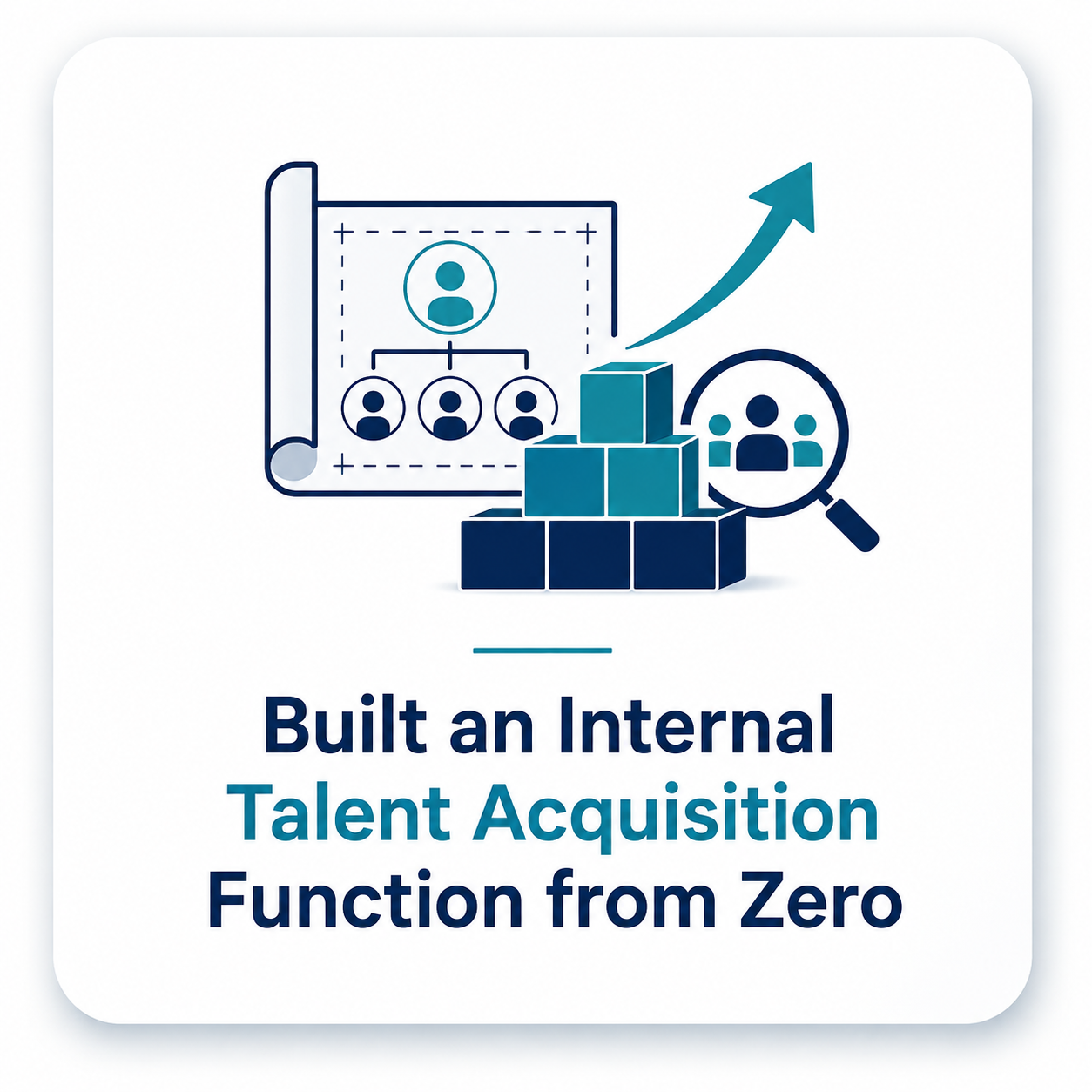
Situation
A 3000 employee, multi-brand organization had significant hiring demand but solely relied on an outsourced recruiting model. The company needed stronger internal ownership, better visibility, and a recruiting capability it could retain.
What I Did
I designed and built the internal TA function, including the team structure, technology stack, AI, recruiting processes, operating cadence, reporting, recruiter expectations, vendor approach, and leadership partnership required to support the business.
Result
The new internal model supported more than 1,000 hires annually and gave the organization direct ownership of the people, systems, data, and institutional knowledge behind recruiting.
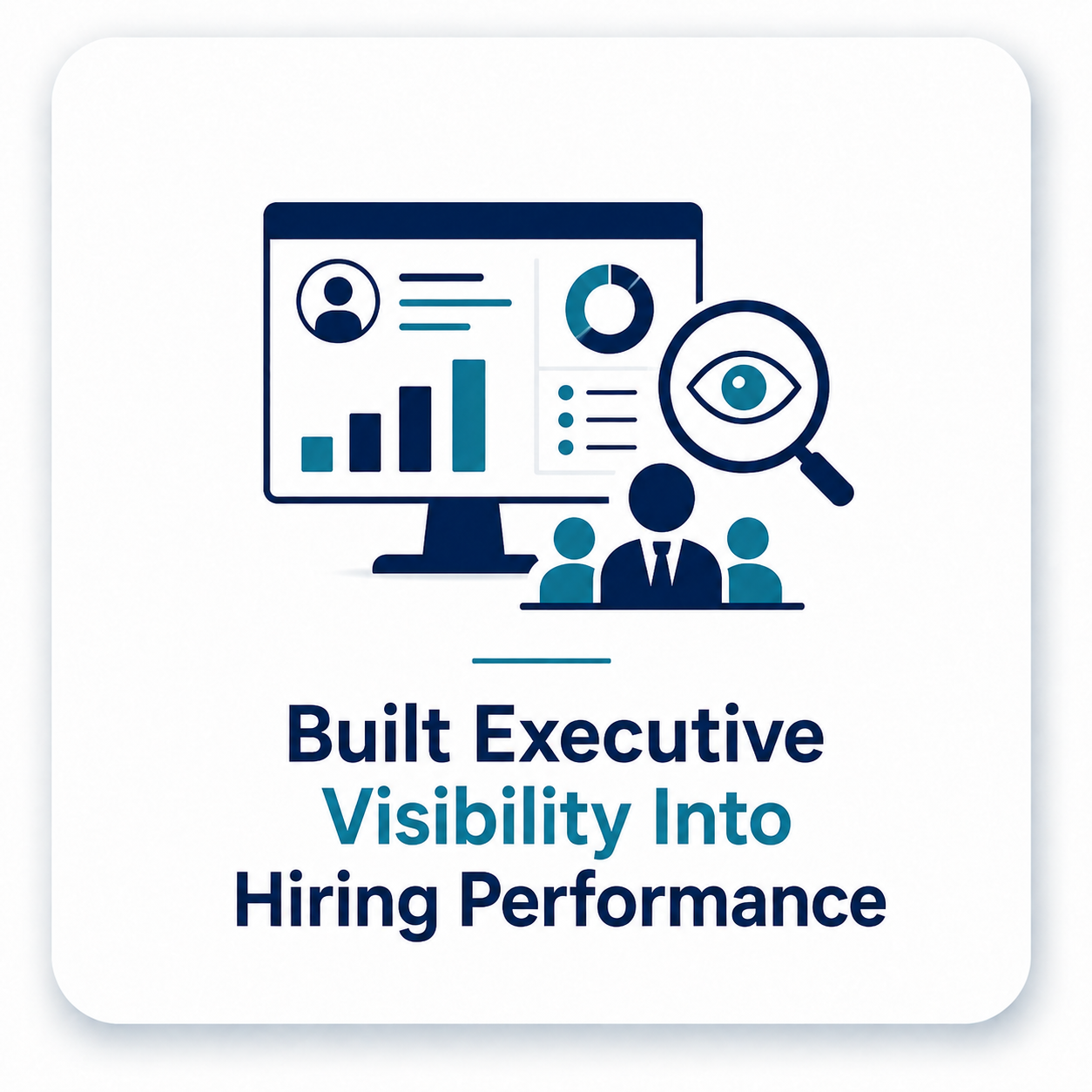
Situation
Leadership lacked consistent visibility into recruiting performance, making it difficult to understand hiring demand, pipeline health, recruiter capacity, bottlenecks, and where intervention was needed.
What I Did
I built recruiting dashboards, scorecards, and reporting that brought together hiring demand, funnel performance, time to fill, recruiter productivity, sourcing results, hiring outcomes, and workforce risks.
Result
Executives gained reliable visibility into recruiting performance and could make better-informed decisions about hiring priorities, staffing capacity, vendor use, and workforce planning.
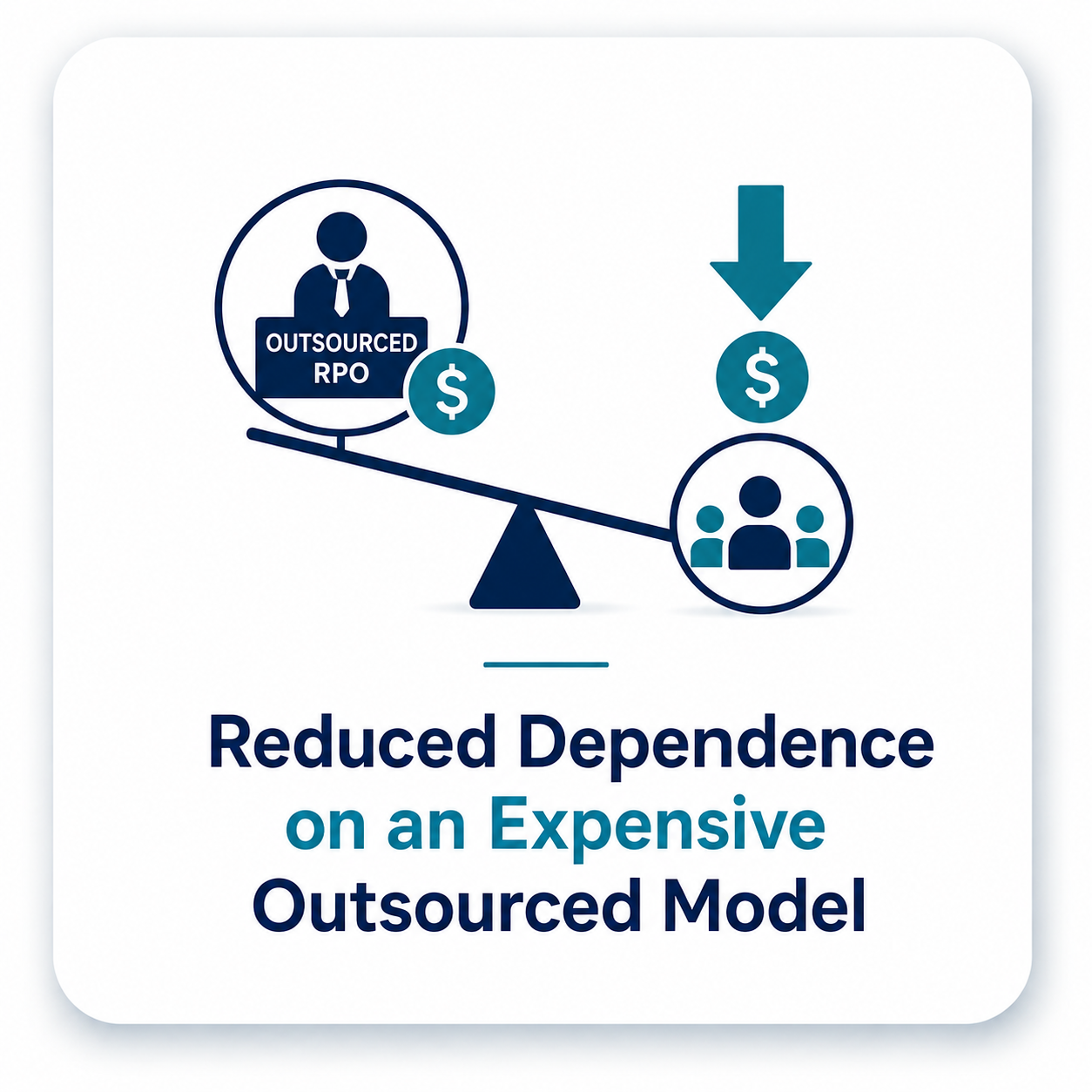
Situation
The organization was paying for an external recruiting model that did not create enough internal ownership, knowledge transfer, or long-term capability.
What I Did
I built the internal team and operating infrastructure, determined where outside partners still added value, and shifted the company toward a more sustainable mix of internal and external resources.
Result
Annual external recruiting expense was materially reduced while the organization gained an internal function it controlled and could continue to improve.
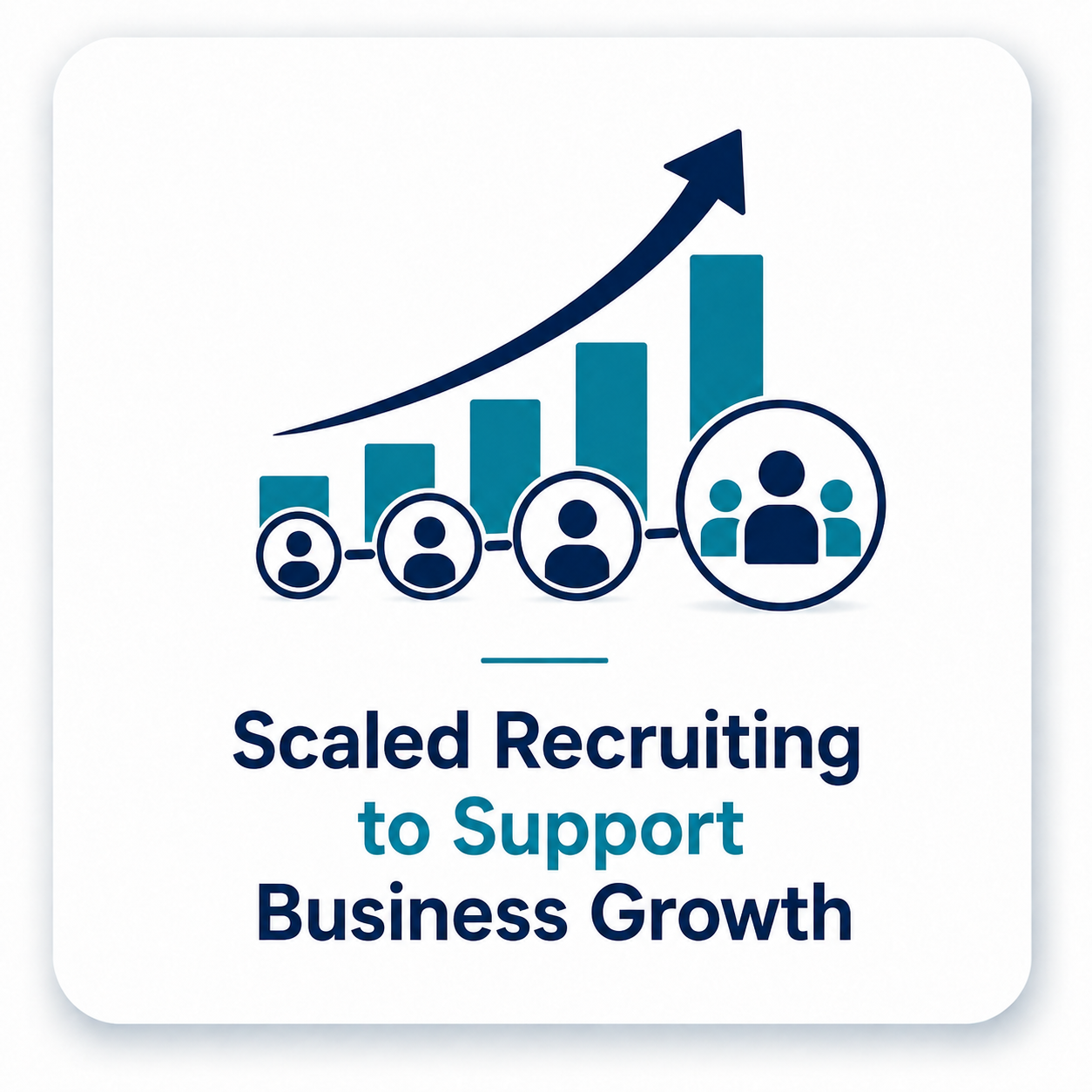
Situation
Rapid growth across multiple brands and markets created significantly more hiring demand than the existing recruiting model was designed to support.
What I Did
I expanded recruiting capacity, built the internal team and supporting infrastructure, improved sourcing and processes, introduced clearer performance expectations, and aligned recruiting resources with changing business demand.
Result
Talent acquisition supported more than 700 hires annually while the organization grew from approximately 1,500 to 2,200 employees, allowing recruiting capacity to scale alongside the business.
Situation
Leadership needed faster hiring, clearer accountability, and better visibility into the recruiting funnel across a high-volume, multi-brand environment.
What I Did
I established performance metrics, operating reviews, recruiter expectations, funnel visibility, hiring-manager partnership, and a more disciplined approach to prioritization and decision-making.
Result
Time to fill improved by 37%, while offer acceptance remained between 94% and 96%.
Situation
The organization needed a stronger, more scalable source of candidates and a better way to turn employee relationships into quality hires.
What I Did
I designed and launched an employee referral program with clear communication, participation expectations, payout milestones, tracking, and internal promotion.
Result
The program generated approximately 200 referrals and 50 hires, with 2.6% first-year turnover among referral hires.
Situation
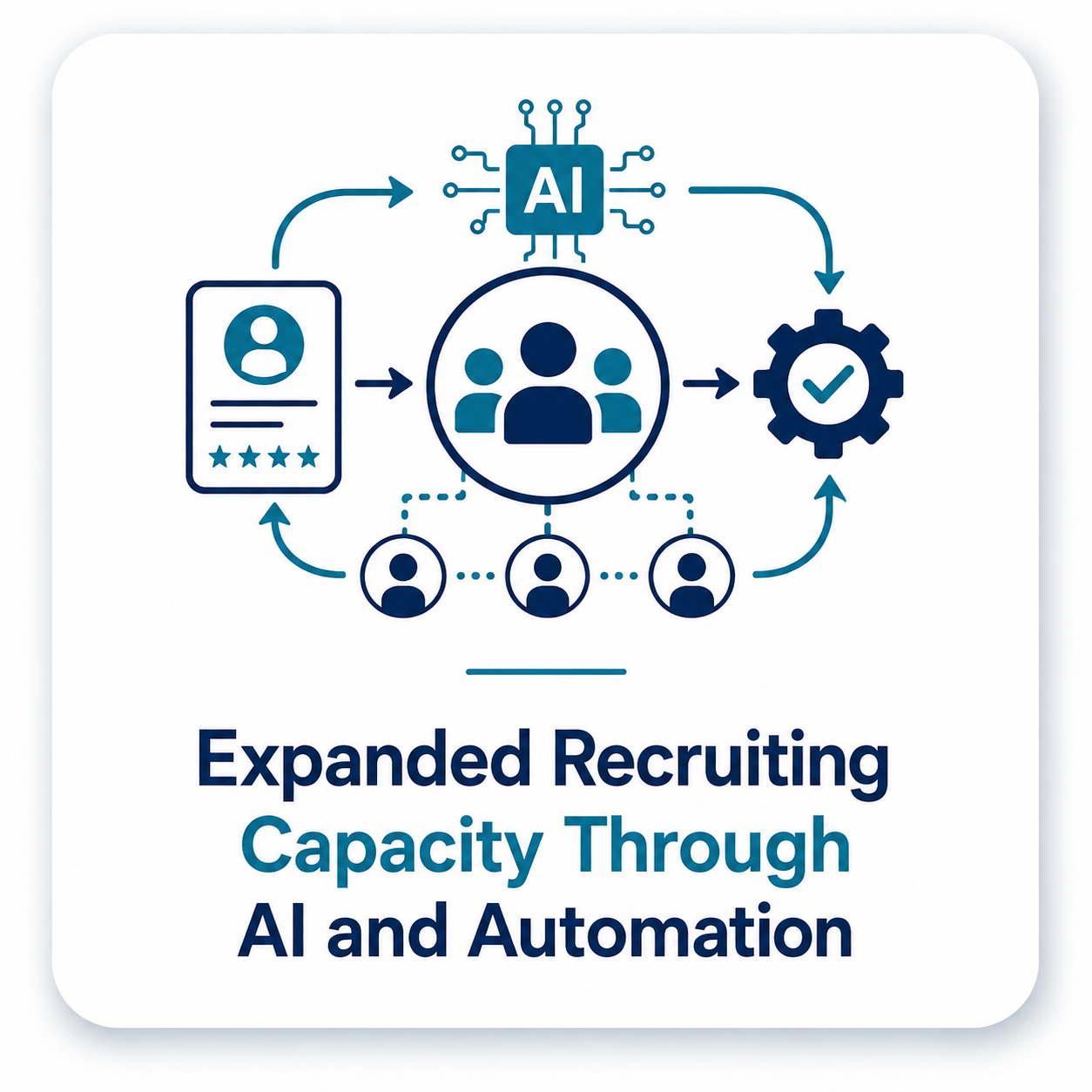
A lean recruiting team needed to support significant hiring volume without adding unnecessary administrative work or relying on recruiters to perform every sourcing and workflow task manually.
What I Did
I selected and implemented AI-enabled sourcing and recruiting technology to automate portions of candidate identification, outreach, follow-up, and other repetitive work. This allowed recruiters to spend more time on candidate engagement, hiring-manager partnership, decision-making, and higher-value recruiting work.
Result
AI-enabled sourcing and automation became part of an operating model that allowed a lean four-person recruiting team supported approximately 1,500+ gross hires annually while AI-enabled sourcing and automation helped extend team capacity and reduce manual work.